Exploring the psychology behind casino game choices Why do players gamble
The Thrill of Chance
At the heart of gambling lies the allure of risk and uncertainty. Players are often drawn to the thrill that accompanies placing bets, as it creates a sense of excitement and anticipation. This psychological phenomenon is closely related to the release of dopamine, a neurotransmitter associated with pleasure and reward. When players experience the possibility of winning, their brains respond with a rush of euphoria, reinforcing the behavior and encouraging them to read more about why they gamble again.
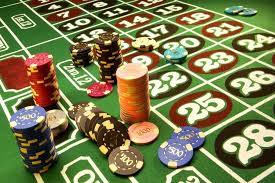
This need for excitement can be particularly potent in a casino environment, where the atmosphere is designed to heighten these sensations. The flashing lights, vibrant sounds, and immersive experiences all contribute to a stimulating environment that keeps players engaged and invested in their game choices.
The Role of Social Interactions
Gambling can also serve as a social activity, allowing players to connect with others while sharing the experience of playing games. Casinos often foster a communal atmosphere, where individuals can bond over shared wins and losses. These social interactions can enhance the enjoyment of the gambling experience, making it more appealing for players.
Moreover, the influence of peers can affect game choices significantly. Group dynamics can lead individuals to adopt specific games based on what others find enjoyable, thus expanding their gambling repertoire. This social aspect of gambling provides not only entertainment but also a sense of belonging, which can be a powerful motivator for players.
Cognitive Biases in Gambling
The psychology of gambling is rife with cognitive biases that can shape player behavior. One common bias is the illusion of control, where players believe they can influence the outcome of a game, particularly in games of chance like slot machines or roulette. This belief can lead players to make irrational decisions, such as increasing their bets in hopes of overcoming a losing streak.
Another prevalent cognitive distortion is the gambler’s fallacy, where individuals believe that past outcomes will affect future results. For instance, a player might think that a certain number is “due” to win after a long losing streak. These misconceptions can significantly impact game choices and betting strategies, often leading players to engage with games in a way that creates further likelihood of losses.
Emotional Influences on Gambling Preferences
Emotions play a crucial role in gambling decisions, influencing not only the choice of games but also the timing of play. Players may turn to gambling as an escape from stress, anxiety, or other negative feelings, opting for games that provide a temporary distraction or a sense of relief. This emotional connection to gambling can result in patterns of play that are primarily motivated by the desire to alter one’s emotional state.
Conversely, positive emotions, such as excitement or celebration, can also drive players to seek out casino experiences. When individuals associate gambling with fun and enjoyment, they are more inclined to return to those games that evoke those emotions. Thus, the interplay of emotion and cognition significantly shapes the landscape of player choices in casinos.

Your Gateway to Gambling Insights
This website is dedicated to offering users valuable resources and insights into the world of gambling, creating an organized and secure experience for all visitors. While navigating through various content, users may occasionally encounter a “403 – Forbidden” error, indicating restricted access to certain areas. Nevertheless, the site ensures that accessible content is readily available for those seeking to understand the intricacies of gambling psychology.
For those interested in exploring further, we encourage a return to the homepage or reaching out for support to uncover a wealth of knowledge. Whether you’re looking to understand game choices or the forces driving players to gamble, this platform aims to provide clarity and assistance in your exploration.